Understanding the Essentials of Spa Ads
In the competitive landscape of wellness and relaxation, Spa Ads play a vital role in attracting potential clients. Effective advertisement strategies not only communicate the unique services a spa offers but also resonate with the emotional and physical aspirations of the audience. With an increasing number of options available, spas must develop compelling ads that highlight their strengths, engage prospects, and convert them into loyal customers. This article explores the core components of spa advertising, offering insights into creating visually appealing and effective ads.
The Role of Visual Appeal in Spa Advertising
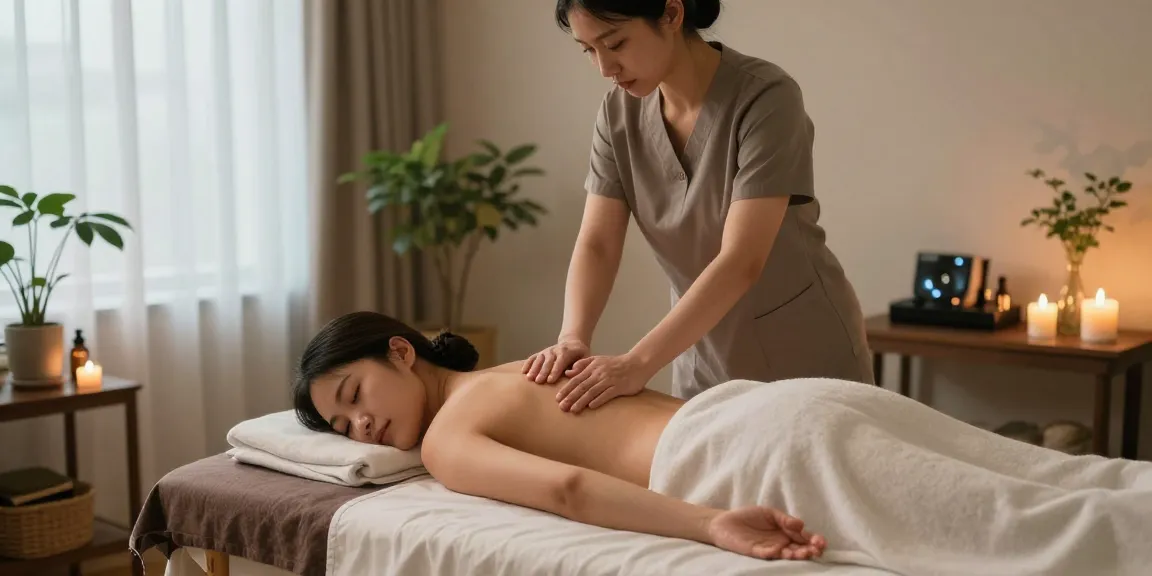
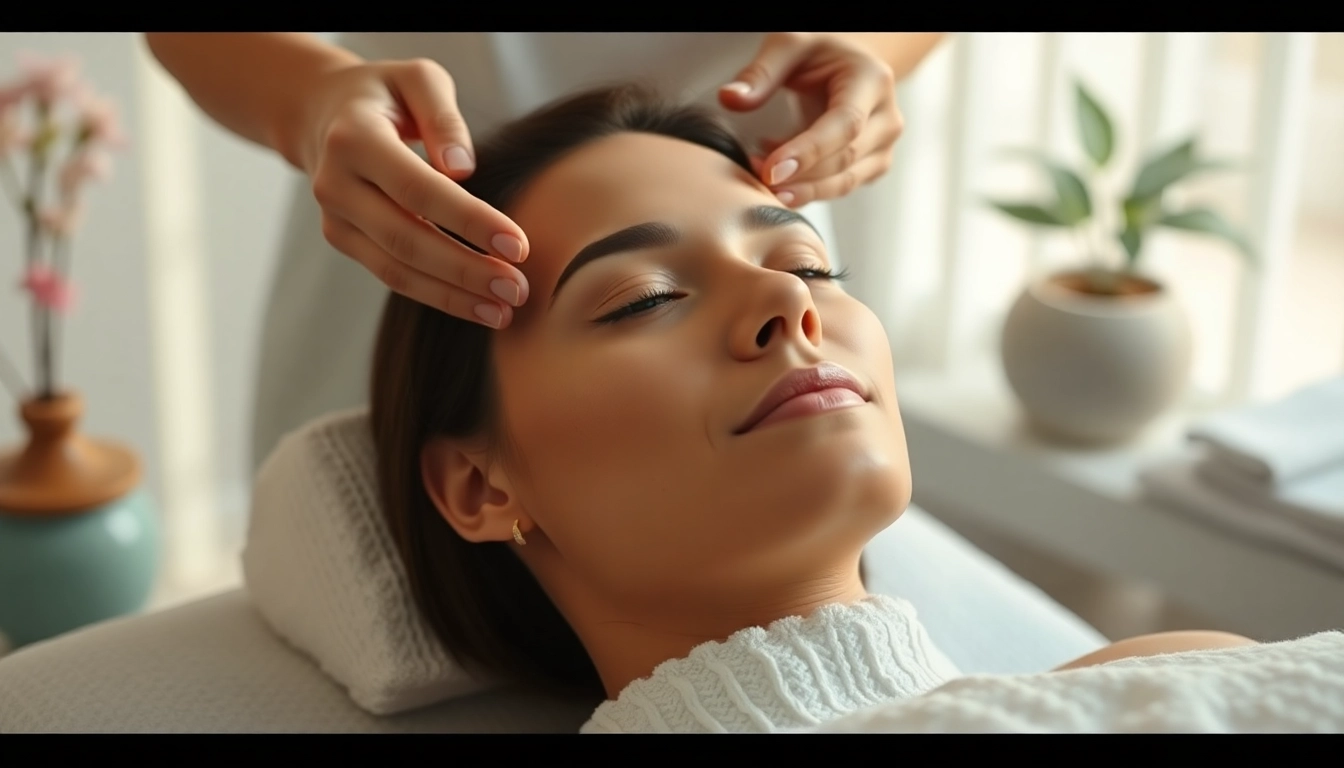
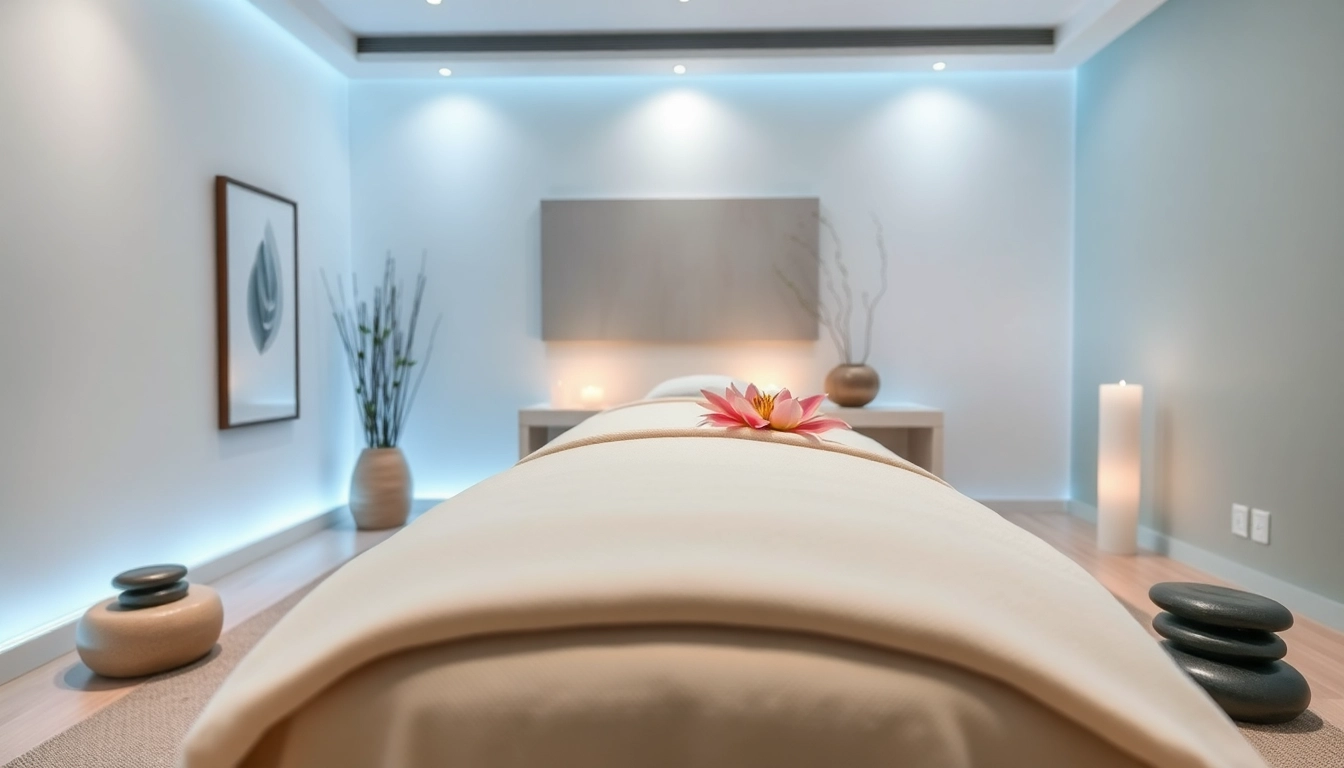
Visual appeal is paramount in spa advertising. The aesthetics of spa ads should evoke feelings of tranquility and wellness. High-quality images showcasing serene environments, luxurious treatments, and satisfied clients can significantly enhance the attractiveness of ads. Before-and-after galleries, vibrant photos of treatments, and calming ambiance visuals not only grab attention but also help potential clients envision their own experiences at the spa. Implementing a cohesive color scheme and font style reflecting your brand identity further aids in making your ads memorable.
Identifying Your Target Audience for Spa Services
Understanding your target audience is crucial for crafting effective spa ads. Consider demographics such as age, gender, location, and lifestyle. Women aged 25-45 may be interested in skincare treatments, while men in the same age group could favor massage therapies for stress relief. Use market research data to identify preferences and pain points within your audience. Developing customer personas can also guide your messaging and visual choices, ensuring they resonate with the right audience.
Importance of Clear Messaging in Spa Ads
Clear messaging is critical for effective spa advertising. Potential clients need to understand what services are offered and the benefits they can expect. Avoid jargon and focus on creating a straightforward message that highlights unique selling points. Include enticing offers or specials that encourage immediate action, such as discounts on first-time visits or package deals. The call-to-action (CTA) should be prominent, guiding readers on how to book an appointment or learn more about your services.
Creative Approaches to Spa Advertising
Innovative Spa Ads Examples That Convert
Creativity in spa advertising can set you apart from the competition. Some successful examples include:
- Interactive Social Media Campaigns: Engaging customers with polls or contests related to spa treatments can boost interaction and awareness.
- Influencer Collaborations: Partnering with local wellness influencers to promote your services can amplify your reach and credibility.
- Seasonal Promotions: Tailoring ads to reflect holidays or seasonal changes, such as summer skincare or winter warmth therapies, makes your offerings timely and relevant.
Utilizing Social Media for Effective Spa Marketing
Social media is an invaluable tool for spa marketing. Platforms like Instagram and Facebook allow spas to share visually compelling content, promote special offers, and connect with the community. Regularly posting engaging content, such as behind-the-scenes videos or client testimonials, can build trust and rapport with potential clients. Additionally, utilizing paid advertising options on these platforms can significantly increase your reach and target specific demographics effectively.
Creating Engaging Content for Spa Ads
Content marketing plays a crucial role in enhancing brand awareness through education and engagement. Consider producing blog posts about the benefits of various treatments, tips for skincare, or wellness advice. This approach positions your spa as an authority in the industry and directs organic traffic to your website. Integrating SEO practices into this content ensures that it ranks well in search engines, attracting more potential customers to your spa.
Best Practices in Spa Marketing for 2025
Optimizing Online Presence for Spa Ads
A strong online presence is essential for effective spa marketing. Ensure your website is user-friendly, visually appealing, and optimized for mobile devices. High-quality images and clear descriptions of your services should be easily accessible. Implementing online booking systems can streamline the customer experience, making it easier for clients to schedule appointments quickly.
Leveraging SEO for Spa Advertising Success
Search Engine Optimization (SEO) plays a crucial role in enhancing visibility for spa ads. By targeting relevant keywords such as “spa services in [your location]” or “best massages near me,” your content can rank higher in search results, driving more traffic to your site. Regularly updating content, using local SEO strategies, and ensuring your website’s technical aspects are optimized can significantly benefit your spa advertising efforts.
Tracking Performance: Metrics for Spa Ads
Measuring the success of your spa ads is essential for continuous improvement. Key performance indicators (KPIs) to monitor include click-through rates (CTR), conversion rates, and return on investment (ROI). Tools such as Google Analytics can provide insights into user behavior, allowing you to refine your advertising strategies based on data-driven results. Regularly reviewing these metrics can help identify what works and what needs adjustment in your advertising campaigns.
Common Mistakes to Avoid in Spa Advertising
Overlooking Competition: A Key Pitfall
One of the major mistakes in spa advertising is neglecting to analyze competitors. Understanding their offerings, pricing, and advertising strategies can provide insights into how to differentiate your spa in the market. Conduct regular competitor analysis to identify gaps in their services that you can exploit, and tailor your ads to highlight your unique advantages.
Ineffective Targeting: Reaching the Wrong Audience
Another frequent mistake is targeting the wrong demographic. Often, spas may assume their services appeal to everyone, leading to wasted advertising spend. A focused approach on your ideal customer profile will yield better engagement and return. Utilize social media insights and customer surveys to better understand your audience’s preferences and tailor your advertisements accordingly.
Neglecting Visual Branding in Spa Ads
Failing to maintain consistency in visual branding can confuse potential clients. Ensure that all your spa ads reflect a cohesive look that aligns with your brand identity. This includes using consistent color schemes, logo placements, and fonts across all platforms. A strong visual identity can strengthen brand recognition and create a lasting impression in the minds of consumers.
The Future of Spa Advertising: Trends to Watch
Emerging Technologies in Spa Marketing
In 2025, emerging technologies will reshape how spas approach advertising. Virtual reality (VR) and augmented reality (AR) could be leveraged to give potential clients immersive experiences of treatments before they book. Chatbots and AI-driven customer service tools can enhance user interaction on websites, providing immediate responses to queries for improved customer service.
Consumer Behavior Changes Impacting Spa Ads
Changing consumer behavior will significantly influence spa advertising strategies. As more clients prioritize wellness and self-care, ads emphasizing holistic benefits and customized experiences will resonate more effectively. Additionally, younger generations are increasingly demanding transparency and sustainability, prompting spas to highlight eco-friendly practices and ingredients in their services.
Predictions for Spa Advertising Strategies in 2025
As we move into 2025, spa advertising will increasingly focus on personalization. Data-driven marketing techniques that allow spas to tailor advertisements to individual consumer preferences will become more prevalent. Enhanced customer relationship management (CRM) systems will provide deeper insights into client behaviors, enabling spas to develop more targeted and effective advertising campaigns.