
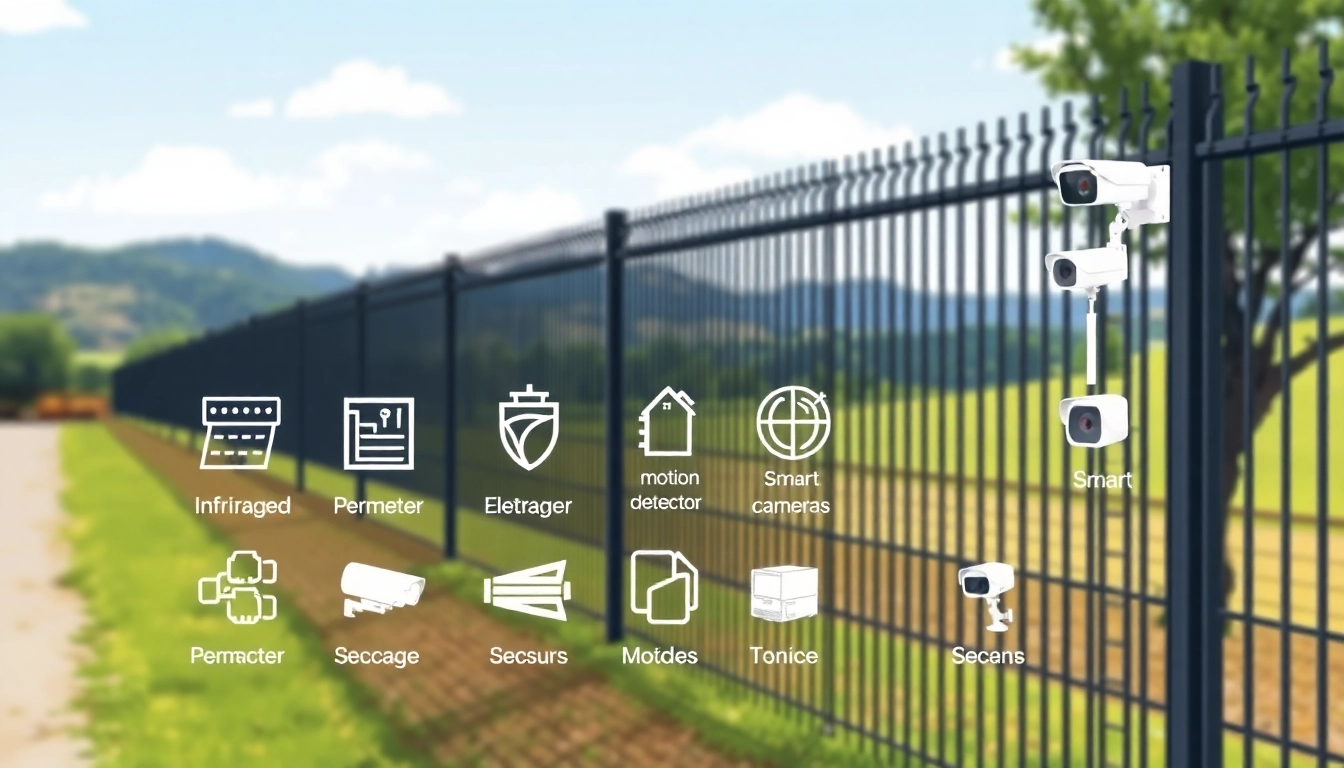
Introduction to Types of Perimeter Detection Systems
In an age where security threats are increasingly sophisticated, understanding the Types of perimeter detection systems is essential for effective security planning. Perimeter detection systems serve as the first line of defense, providing crucial capabilities to detect unauthorized access and prevent breaches. This article delves into various types of perimeter detection systems, the technologies employed, their effectiveness, and key considerations for implementation.
What are Perimeter Detection Systems?
At its core, a perimeter detection system is designed to monitor a defined boundary to identify and alert relevant authorities of unauthorized or suspicious activities. These systems can include a combination of physical barriers, electronic sensors, and surveillance equipment that work together to create a comprehensive security shield. Their functions may vary from simple intrusion detection to integrated systems that trigger automatic responses when a breach is detected.
Importance of Perimeter Security
The importance of perimeter security cannot be overstated. Properly implemented perimeter detection systems act as a deterrent to potential intruders, reducing the likelihood of theft, vandalism, and trespassing. Moreover, they contribute significantly to the overall safety of individuals within the premises while protecting assets. In addition to securing physical boundaries, they can also help organizations comply with regulatory requirements and insurances by demonstrating due diligence in security measures.
Overview of Types of Perimeter Detection Systems
From traditional barriers to modern electronic solutions, perimeter detection systems can be categorized into various types. Understanding these categories—which can primarily be divided into physical security barriers, electronic surveillance, and advanced technologies—allows stakeholders to make informed choices tailored to their specific needs.
Physical Security Barriers in Perimeter Detection
Fences and Walls: Basic Characteristics
Fences and walls represent the foundational elements in perimeter security. They create a physical boundary that can deter unauthorized access. Key characteristics to consider include height, material, and visibility. A well-designed fence should be challenging to climb, constructed from durable materials, and strategically installed to eliminate hiding spots for potential intruders. For instance, barbed wire or electric fencing can heighten security further, depending on specific requirements.
Intrusion Detection Wires
Intrusion detection wires are another crucial element in enhancing perimeter security. These systems typically consist of thin wires that are strung along the perimeter. When an intruder disturbs the wire, it triggers an alert that can notify security personnel. This system is often integrated with existing fencing structures, enhancing the overall effectiveness without a significant impact on the physical landscape.
How Barriers Work with Detection Systems
Physical barriers work synergistically with detection systems to create a robust security framework. For example, the combination of a high fence with intrusion detection wires creates layers of security that are more effective than either system alone. The presence of a physical barrier may dissuade potential intruders from attempting entry, while detection systems enable prompt alerts, allowing for immediate response in case of a breach.
Electronic Surveillance and Detection Technologies
Motion Detectors: How They Operate
Motion detectors are a common electronic component in perimeter detection systems. They use various technologies, such as passive infrared (PIR) or microwave sensors, to detect movement within a defined area. By analyzing changes in infrared light or bouncing signals, motion detectors can accurately identify the presence of intruders. Proper placement is critical to enhance their effectiveness, as blind spots can compromise security.
Infrared Systems in Perimeter Protection
Infrared systems are another advanced technology for perimeter protection. These systems operate by detecting heat signatures emitted by human bodies, allowing for detection even in complete darkness or when visibility is reduced. This makes infrared systems particularly effective in outdoor environments where traditional cameras may fail. Furthermore, such systems can be designed to work alongside other surveillance technologies for a more comprehensive approach to security.
Video Surveillance: Best Practices for Integration
Video surveillance serves as a critical component of any perimeter detection strategy. The integration of cameras with advanced analytics software enhances monitoring capabilities, enabling real-time alerts and recorded evidence for investigations. Positioning cameras at strategic points to cover potential entry points, alongside deploying high-resolution cameras, can significantly improve detection efficiency. Additionally, using a centralized monitoring system can streamline oversight and response times.
Smart and Advanced Technologies in Perimeter Detection
Integration of IoT in Security Systems
The integration of Internet of Things (IoT) technology into perimeter detection systems is revolutionizing security management. IoT devices can provide real-time monitoring and data analysis, allowing for intelligent decision-making. Sensors can communicate with central systems to provide updates on unusual activity, positioning them as key players in modern perimeter security. Furthermore, smart technologies can elevate automation, expediting response protocols.
AI and Machine Learning Applications
Artificial Intelligence (AI) and machine learning applications are increasingly utilized to optimize perimeter detection processes. These technologies can process vast amounts of data to identify patterns and anomalies, enhancing the ability to predict and prevent potential breaches. By employing sophisticated algorithms, AI can fine-tune alert systems, reducing false alarms and improving overall system effectiveness.
Future Trends in Perimeter Detection Systems
As technology continues to evolve, certain trends are emerging in the sphere of perimeter detection systems. The deployment of drone surveillance, advanced video analytics, and enhanced interoperability between devices are shaping future security landscapes. Additionally, environmental sustainability is driving innovations, prompting the development of energy-efficient technologies and materials that can bolster security while minimizing ecological impact.
Implementing and Evaluating Perimeter Detection Systems
Key Considerations in System Selection
Selecting the right perimeter detection system requires careful consideration of several factors, including the specific security needs, budget, and existing infrastructure. Stakeholders must evaluate the vulnerabilities of their premises, the layout of the property, and any regulatory requirements. A thorough risk assessment often leads to the identification of areas needing the most protection, guiding informed decisions regarding system integration.
Testing and Maintenance of Systems
Regular testing and maintenance of perimeter detection systems are crucial for ensuring their reliability and effectiveness. Scheduled checks on hardware, including sensors and cameras, can pinpoint issues before they result in significant security breaches. Additionally, it is important to routinely review software systems to maintain optimal functionality and integration capabilities with newer technologies as they emerge.
Performance Metrics for Effectiveness
To evaluate the effectiveness of perimeter detection systems, organizations should establish clear performance metrics. Common metrics include detection accuracy, response time, false alarm rates, and operational downtime. Regular monitoring and analysis of these metrics will provide insights into system performance and guide any necessary adjustments or upgrades, ultimately enhancing overall security management.
Frequently Asked Questions
What are perimeter detection systems?
Perimeter detection systems are security measures designed to monitor boundaries and identify unauthorized access. They can consist of physical barriers, electronic sensors, and surveillance systems.
Why is perimeter security important?
Perimeter security is crucial for protecting assets, reducing unauthorized access, and ensuring the safety of individuals within premises. It serves as the first line of defense against potential threats.
What types of technologies are used in perimeter detection?
Common technologies include motion detectors, infrared systems, video surveillance, and smart IoT devices that enhance monitoring and response capabilities.
How can I choose the right perimeter detection system?
Consider factors like specific security needs, budget constraints, existing infrastructure, and the property’s layout. Conducting a thorough risk assessment is vital.
How often should I maintain my perimeter detection system?
Regular maintenance should be conducted typically every six months. Routine checks on hardware and software are essential to ensure system reliability and effectiveness.