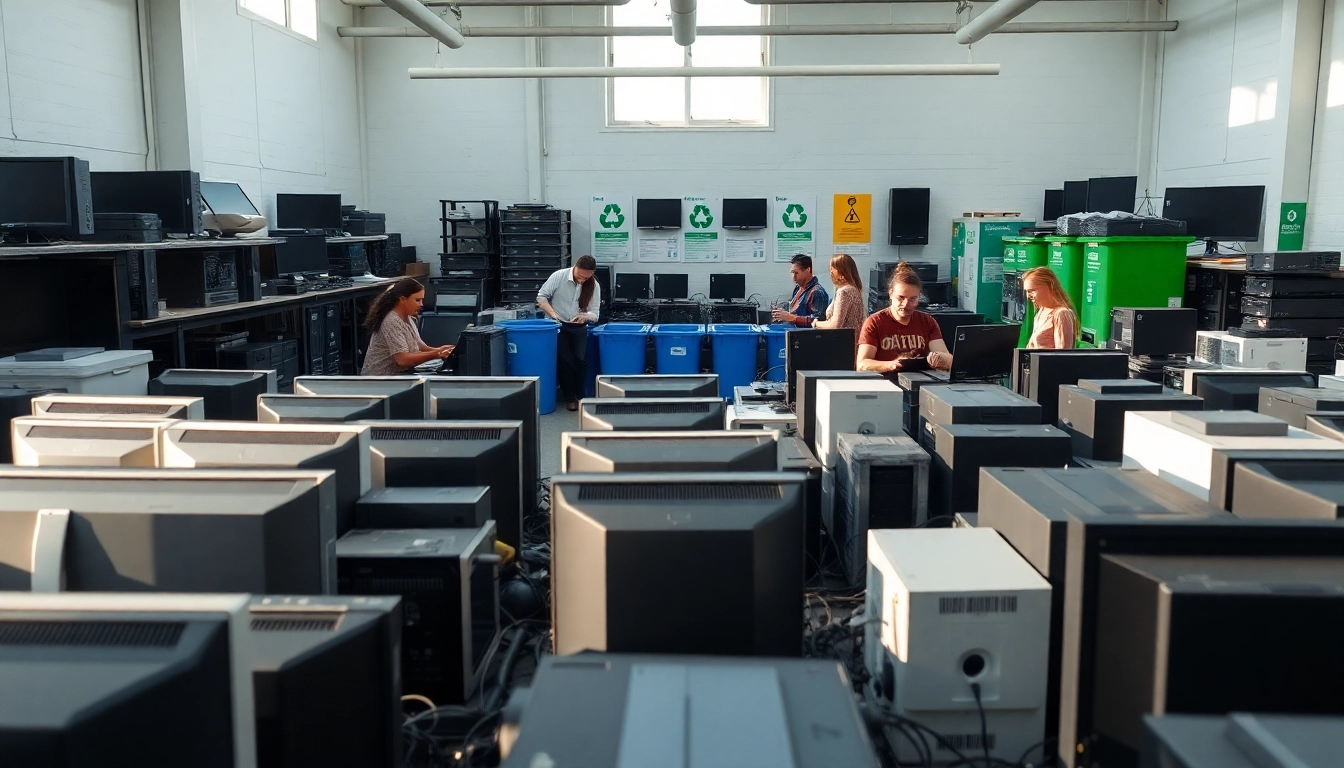
Understanding WEEE Recycling in Reading
Waste Electrical and Electronic Equipment (WEEE) recycling is becoming increasingly vital in our modern society, where technology continuously evolves and devices become obsolete. In Reading, efficient WEEE recycling services are crucial for both businesses and households. As you navigate this process, understanding what WEEE recycling entails and its significance can help you make responsible decisions. For a reliable partner in this effort, consider exploring weee recycling reading.
What is WEEE Recycling?
WEEE recycling refers to the collection, treatment, and recycling of electronic waste. This includes any electrical or electronic items that have reached the end of their life cycle. Common examples include computers, mobile phones, televisions, and refrigerators. Under the UK regulations, WEEE must be collected separately and processed appropriately to recover valuable materials and reduce environmental impact.
The Importance of WEEE Recycling
WEEE recycling plays a crucial role in conserving natural resources by recovering precious metals and materials from discarded electronics. Recycling minimizes the amount of electronic waste that ends up in landfills, where harmful substances can leach into the environment. Furthermore, properly recycling electronics helps reduce greenhouse gas emissions and promotes sustainable practices.
Regulations and Compliance in WEEE Recycling
The UK's WEEE Regulations establish a framework for the recycling and disposal of electronic waste. These regulations require producers to register as an electrical and electronic equipment (EEE) supplier, ensuring that manufacturers contribute to the recycling process. Compliance involves adhering to set targets for collection and recycling of WEEE, and it’s essential for all businesses dealing with electronic waste in Reading to stay informed and compliant.
How to Prepare for WEEE Recycling
Preparing for WEEE recycling is an essential step for both households and businesses. Proper assessment and information gathering can facilitate the recycling process and ensure that you handle your electronic waste responsibly.
Assessing Your Electronic Waste
Start by taking an inventory of your electronic waste. Identify items that are no longer functional or needed and classify them as WEEE. This includes everything from small household appliances to large electronics. By organizing your items based on type and condition, you can streamline the recycling process and make informed decisions on how to dispose of each category.
Data Protection Measures Before Recycling
Data security is critical when recycling electronics, as improperly managed devices can lead to data breaches. Before handing over devices for WEEE recycling, ensure that all sensitive data is wiped clean. Use data destruction software or physical destruction methods to ensure that personal information cannot be retrieved. It’s also advisable to keep records of data destruction for your records, especially for businesses.
Finding a Reliable WEEE Recycling Service in Reading
Finding a trustworthy WEEE recycling service is essential for ensuring that your electronic waste is processed responsibly. Look for companies that are authorized under WEEE regulations and have a proven track record in electronic waste disposal. Customer reviews, service certifications, and accreditations can all provide insights into their reliability and commitment to sustainable practices.
Benefits of WEEE Recycling
Engaging in WEEE recycling brings numerous benefits to individuals, businesses, and the environment alike. Understanding these advantages can provide the motivation needed to responsibly dispose of electronic waste.
Environmental Impact of Recycling Electronics
Recycling electronics reduces the demand for raw materials, which means fewer natural habitats are destroyed for mining and extraction. WEEE recycling also decreases pollution associated with manufacturing new products and significantly lowers landfill use, which can release toxins into the environment. In essence, WEEE recycling fosters a healthier planet for future generations.
Economic Advantages for Businesses
For businesses, adopting WEEE recycling practices can lead to cost savings and potential revenue generation. By recycling and reusing materials, companies can cut down on manufacturing costs and gain access to raw materials at a lower price. Moreover, demonstrating commitment to sustainability can enhance a company's brand reputation, attracting eco-conscious consumers and partners.
Job Creation and Community Benefits
WEEE recycling programs can also stimulate job creation within local communities. The collection, processing, and recycling of electronic waste require labor, which can lead to new employment opportunities. Furthermore, community awareness campaigns around recycling can foster a culture of sustainability, benefit public education, and increase local engagement in environmental stewardship.
Common Misconceptions About WEEE Recycling
Several myths surround WEEE recycling, often leading to misunderstanding and improper disposal of electronic waste. Clarifying these misconceptions can help encourage responsible recycling behaviors within the community.
Is WEEE Recycling Free?
While many household WEEE recycling services may be offered for free, businesses might incur costs to comply with regulations and ensure proper processing. It’s essential to understand the specific WEEE recycling service terms to determine any costs associated with their services.
What Can Be Recycled?
Almost all electronic devices that have a plug or battery can be recycled under the WEEE regulations, including computers, monitors, printers, TVs, and even small gadgets like hairdryers or toasters. However, certain items may require specialized recycling, so it's crucial to check with your recycling service about what is accepted.
Do I Need to Pay for Pickup Services?
Charges may apply for electronic waste collection services, especially for larger quantities or business-related pickups. However, many regions offer free or subsidized options for household WEEE drop-offs. Always check with local services to understand pricing structures and available options.
Future Trends in WEEE Recycling Practices
The field of WEEE recycling is evolving with advancements in technology, community initiatives, and educational efforts aimed at raising awareness. These future trends hold promise for enhancing WEEE recycling practices in Reading and beyond.
Innovations in Recycling Technology
Emerging technologies are transforming the WEEE recycling landscape by making it more efficient and effective. New sorting technologies, such as automated systems, allow for faster and more accurate separation of materials, leading to improved recycling rates. Additionally, specialized processes for recovering metals from electronics are becoming more advanced, maximizing recovery while minimizing environmental impact.
Community Initiatives in Reading
Community-driven recycling initiatives are gaining traction in Reading, encouraging residents to responsibly recycle their electronic waste. Local organizations are collaborating with residents to organize events that promote WEEE recycling, including collection drives and educational workshops. Such initiatives foster a sense of responsibility and enable residents to participate actively in sustainability efforts.
The Role of Education in WEEE Awareness
Education is paramount in raising awareness about WEEE recycling. Schools, local governments, and nonprofits are working together to devise programs that inform individuals about the importance of recycling electronics and the specific practices they can adopt. By fostering a culture of environmental responsibility, these initiatives inspire individuals to make conscious decisions about electronic waste.
FAQs About WEEE Recycling
What does WEEE stand for in recycling?
WEEE stands for Waste Electrical and Electronic Equipment, which encompasses all discarded electrical and electronic devices.
Is WEEE recycling free?
WEEE recycling can be free for households, but businesses may face costs based on compliance and processing services. Always check with local providers.
How can I recycle WEEE waste?
You can recycle WEEE waste by locating a registered recycling facility or participating in local collection events organized by your community.
What happens to my data during WEEE recycling?
Before recycling, ensure you erase all personal data securely. Many recycling services offer data destruction protocols for sensitive data protection.
Can all electronics be recycled?
Most electrical devices can be recycled, but verification with recycling services about specific items is advisable to determine acceptance and procedures.