
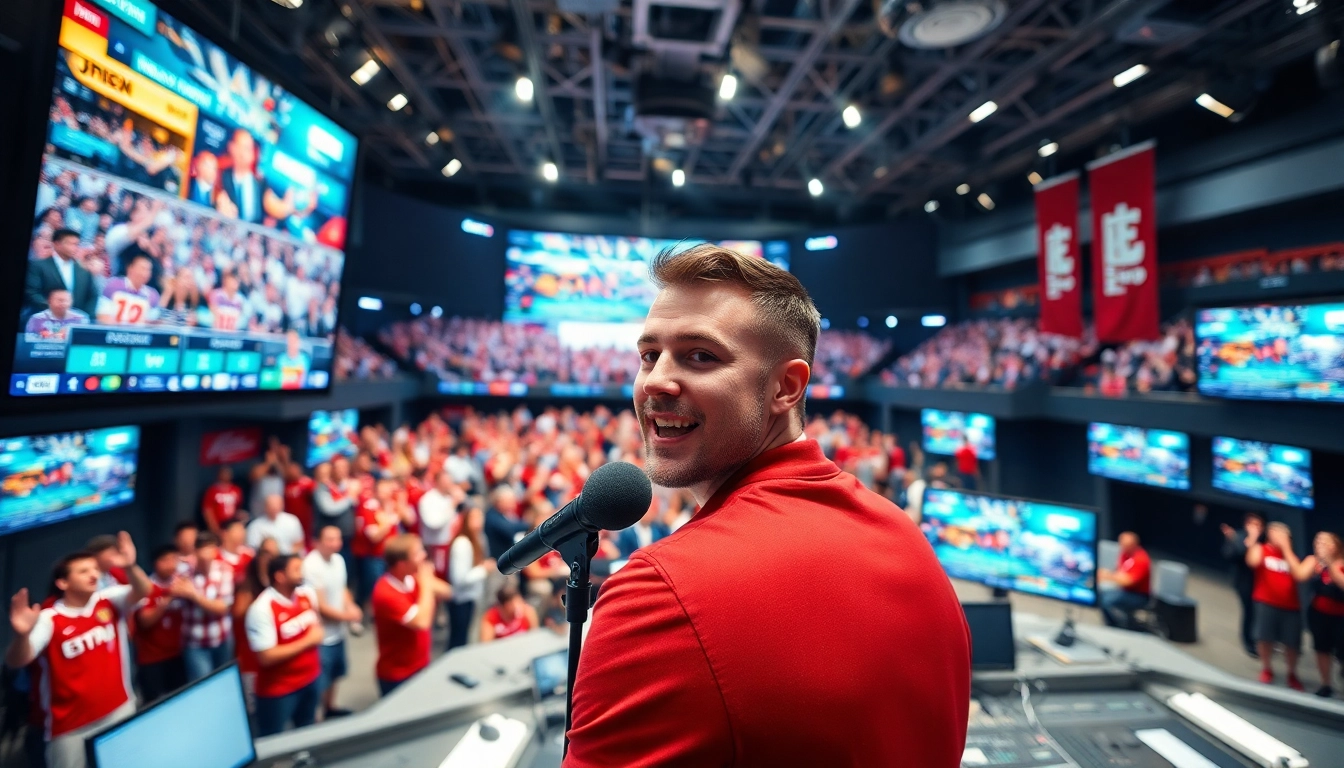
Understanding Sports Broadcasting Dynamics
Sports broadcasting has become one of the most influential and powerful forms of media, shaping how fans experience their favorite games and events. With changes in technology and audience expectations, the landscape of Sports Broadcasting has evolved rapidly, necessitating a deep understanding of its components, from historical origins to current trends that define the industry. Enhanced viewer engagement and immersive experiences are at the core of the evolution in Sports Broadcasting. Sports Broadcasting plays a key role in connecting fans to their passion.
The Evolution of Sports Broadcasting
Sports broadcasting dates back to the early 20th century when radio broadcasts began featuring live sports events. Over the decades, it transitioned to television, which revolutionized how audiences engaged with sports. Major milestones include the introduction of color broadcasts in the 1960s and the advent of cable and satellite television, which expanded broadcasting reach.
The Internet era brought about the most significant changes, where streaming services and social media platforms began to compete with traditional broadcasting. This shift has democratized access to sports content, allowing for a more personalized viewing experience tailored to individual preferences.
Key Players in Sports Broadcasting
The sports broadcasting ecosystem is filled with various key players, including networks, streaming services, teams, and digital platforms. Major sports networks like ESPN and BBC Sports are leading traditional broadcasters, while newer platforms like Amazon Prime and YouTube are carving out significant niches. Additionally, teams and leagues have begun to develop their own streaming options that cater directly to fans, enhancing their reach and engagement.
Sports agents and marketing firms also play crucial roles, negotiating media rights and ensuring that athletes receive adequate visibility. Understanding the dynamics between these players is crucial for cultivating successful broadcasting strategies.
Current Trends in Sports Broadcasting
Today, audiences are more demanding than ever. The rise of on-demand content has prompted broadcasters to adopt flexibility in viewing options, like offering game replays and highlights quickly after they occur. Enhanced interactivity, such as second-screen experiences and in-app voting for viewer engagement, is becoming commonplace. Furthermore, the integration of augmented and virtual reality offers immersive experiences that traditional broadcasting can only dream of.
Technology's Role in Sports Broadcasting
Innovative Equipment for Broadcasts
The technology used in sports broadcasting has transformed the landscape dramatically. High-definition cameras, drones for aerial views, and advanced sound equipment contribute to a superior viewing experience. Additionally, equipment like handheld cameras allows for real-time coverage of players and coaches during pivotal moments, creating a more vibrant and immediate connection with the audience.
Utilizing Software for Enhanced Coverage
Software applications are increasingly playing a pivotal role in sports broadcasting by providing enhanced analytics and data visualization, improving decision-making for broadcasters. Platforms that aggregate statistics and facilitate instant replays have become essential. Furthermore, cloud-based solutions allow for better collaboration among production teams globally, making broadcasts more seamless and efficient.
Live Streaming: The New Frontier
Live streaming has emerged as a dominant force in Sports Broadcasting, allowing fans to watch events in real time on their devices. Unlike traditional broadcasting, streaming offers unique opportunities for interactive features, such as viewer polls and the ability to choose camera angles. As more viewers turn to mobile devices, harnessing the power of live streaming becomes paramount for broadcasters to maintain relevance and reach new audiences.
Content Creation for Sports Broadcasting
Writing Engaging Commentary
Engaging commentary is at the heart of captivating sports broadcasts. It requires a balance of factual accuracy, storytelling, and emotional resonance. Commentators must understand the game deeply and convey the significance of particular plays or strategies effectively. This entails using dynamic language, creating vivid imagery, and engaging with the audience's emotions to bring the gameplay to life.
Visual Storytelling Techniques
Visual storytelling techniques can significantly impact the effectiveness of sports broadcasting. Creative use of graphics, animations, and slow-motion replays helps to clarify key moments and statistics for the viewers. Infographics can distill complex data into digestible content, enhancing viewers’ understanding of the game while maintaining engagement. An insightful visual narrative often makes broadcasts more memorable.
Integrating Social Media in Broadcasting
Integrating social media into Sports Broadcasting enriches the viewer experience by fostering community interaction. Hashtag campaigns, live tweeting during games, and viewer comments displayed on-screen enhance audience engagement. Broadcasters can leverage social media to promote content and adapt their strategies based on real-time feedback from fans, ensuring they meet audience expectations more effectively.
Challenges in Sports Broadcasting
Managing Rights and Regulations
Rights management remains one of the most pressing challenges in sports broadcasting. The landscape is continually evolving as leagues and players negotiate broadcasting rights and sponsorship deals. Understanding regulatory frameworks is essential for broadcasters to operate effectively, especially as they navigate issues related to international broadcasting rights and licensing agreements.
Addressing Audience Engagement Issues
With the fragmentation of audiences across various platforms, keeping viewers engaged has become increasingly difficult. Broadcasters need to implement innovative strategies, such as interactive content, personalized viewing experiences, and loyalty programs, to keep fans hooked. They must also be agile in adapting to shifts in consumer behavior, particularly in younger demographics who often prefer non-traditional viewing methods.
Technological Challenges in Live Production
Live production in sports broadcasting is riddled with challenges, from technical glitches to high-pressure scenarios during important events. Maintaining broadcast quality in real-time requires meticulous planning and execution. Broadcasters must invest in training staff and ensuring redundancy in systems to minimize risks. The continual evolution of technology also requires ongoing adaptability from production teams to meet rising expectations.
Measuring Success in Sports Broadcasting
Key Performance Indicators for Broadcasters
To gauge the effectiveness of broadcasting strategies, it is essential to establish key performance indicators (KPIs). Metrics like viewer ratings, audience share, and engagement levels provide critical insights into broadcast performance. Additionally, tracking advertising revenue, social media interactions, and digital platform growth can indicate overall success and areas for improvement.
Understanding Audience Metrics
Understanding audience metrics helps broadcasters make informed decisions. Demographic insights, viewing patterns, and geographic data allow broadcasters to tailor content to viewer preferences. Moreover, utilizing advanced analytics can enhance the customization of broadcasts, ensuring they meet the evolving desires of their audiences and miners.
Continuous Improvement Strategies
Continuous improvement is key to staying competitive in sports broadcasting. By employing feedback loops that incorporate audience input into strategy development, broadcasters can refine their approaches over time. Regularly assessing performance against benchmarks and adapting to market changes will enable broadcasters to enhance viewer experiences cost-effectively and sustainably.
FAQs About Sports Broadcasting
What is sports broadcasting?
Sports broadcasting refers to the transmission of sports events live or recorded through various media channels like television, radio, or online streaming.
How has technology influenced sports broadcasting?
Technology has revolutionized sports broadcasting with high-definition visuals, instant replays, and live-stream capabilities that enhance viewer engagement.
What are the main challenges in sports broadcasting?
Main challenges include managing broadcasting rights, audience engagement across platforms, and addressing technological difficulties during live productions.
How can broadcasters measure success?
Success can be measured using KPIs such as viewer ratings, audience interaction levels, advertising revenues, and overall viewer engagement metrics.
What role does social media play in sports broadcasting?
Social media enhances sports broadcasting by allowing real-time engagement, facilitating community interaction, and promoting content to a wider audience.