Understanding the Importance of Spray Foam Removal for Mortgage
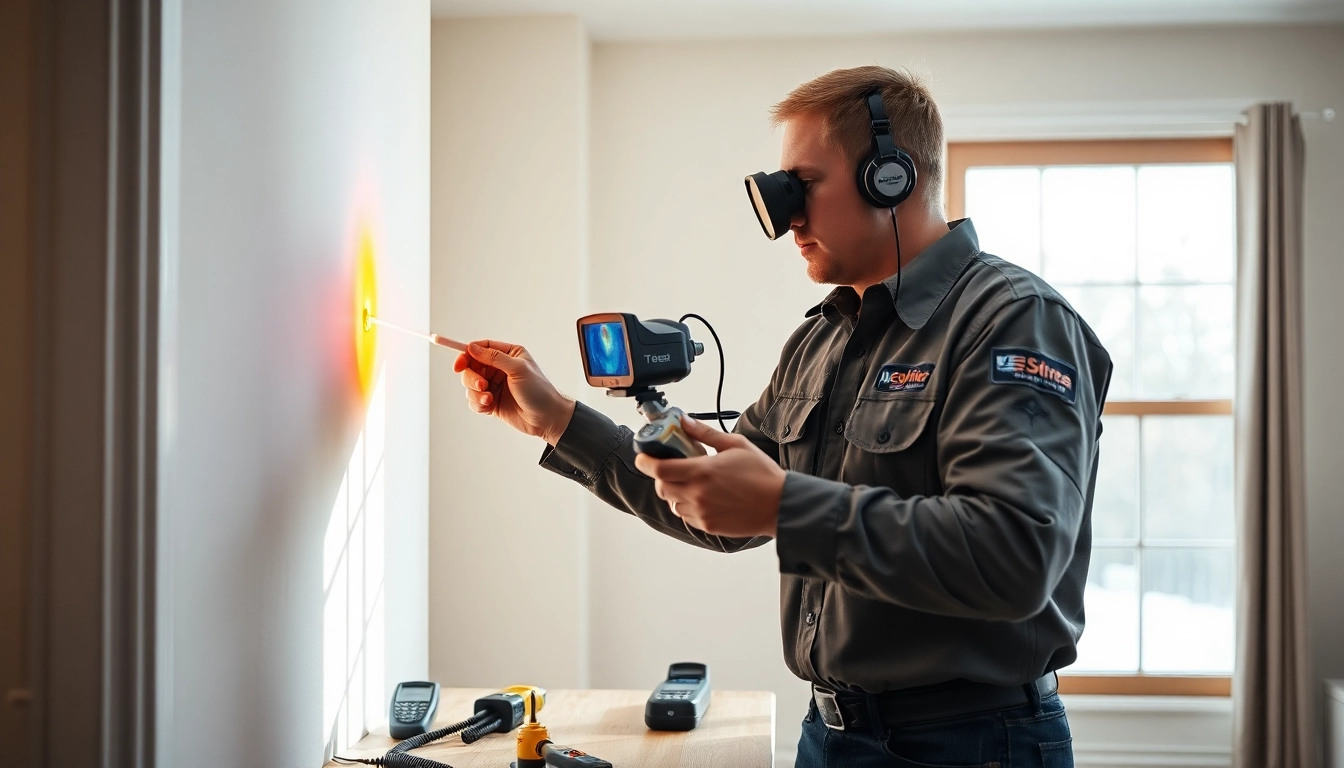
When engaging in real estate transactions, the condition of a property plays a significant role in mortgage approval. Among various aspects to consider, spray foam removal for mortgage is increasingly becoming a pivotal factor. Homebuyers and sellers must pay attention to the implications of spray foam insulation, particularly when it necessitates removal for financial, health, and safety reasons.
Why It Matters in Mortgage Transactions
The presence of spray foam insulation can significantly affect mortgage transactions. Many lenders have specific guidelines that require a thorough inspection of properties before approving a mortgage. If spray foam insulation is found to be improperly installed or deteriorating, it can lead to delays or even rejections of loan applications. Ensuring that any existing insulation is compliant with current building codes and safety standards is crucial for both buyers and sellers. Understanding these implications can ease the transaction process and enhance the chances of securing funding.
Health and Safety Implications
Health and safety should be paramount when dealing with insulation materials like spray foam. Some materials can release harmful chemicals, which pose risks to residents’ health. Additionally, improper installation can lead to issues like moisture retention, mould growth, and poor air quality. These factors not only affect the inhabitants but can also flag serious concerns for mortgage lenders, who may require verification of safe living conditions before approving loans. Removing hazardous insulation reduces these risks and ensures compliance with health and safety regulations.
Impact on Property Value
The condition of insulation directly affects a property’s value. If spray foam insulation is deemed inadequate or potentially hazardous, it can lower the overall appeal and market value of a property. Buyers typically seek homes that are not only aesthetically pleasing but also structurally sound and safe. Therefore, undertaking necessary spray foam removal or repairs can enhance property value and marketability, making it a worthwhile investment for sellers looking to attract buyers.
Identifying When Spray Foam Removal is Necessary
Signs of Compromised Insulation
Recognizing when spray foam insulation needs removal is essential for homeowners. Some common signs include:
- Discolouration: If the foam starts to turn yellow, it may signify degradation and compromised integrity.
- Odour: A foul smell, particularly resembling chemicals or mould, can indicate harmful substances within the insulation.
- Mould Growth: Visible mould suggests that moisture is trapped, often due to improper installation.
- Structural Damage: If the insulation is peeling or showing cracks, it may not provide the necessary barriers against moisture and temperature fluctuations.
Situations That Trigger Mortgage Lender Concerns
Certain circumstances can raise red flags for mortgage lenders regarding spray foam insulation. Lenders may express concerns over:
- Unlicensed Installation: If the insulation is installed without adhering to building standards, it can instantly disqualify a mortgage option.
- Extensive Damage: Significant water damage, which may be exacerbated by spray foam, could cause lenders to hesitate in approving a loan.
- Health Reports: Reports of adverse health effects related to air quality or chemical exposure can lead lenders to assess the risk more stringently.
Environmental Considerations
Beyond the immediate implications for mortgages, environmental concerns surrounding spray foam insulation cannot be overlooked. The materials used in spray foam can contribute to air and soil pollution if not disposed of properly. Additionally, if the insulation degrades over time, it can lead to harmful chemicals entering the environment. Understanding how these elements intersect with regulations, particularly in respect to environmental assessments, is crucial when navigating mortgage approvals.
The Spray Foam Removal Process Explained
Essential Tools and Equipment
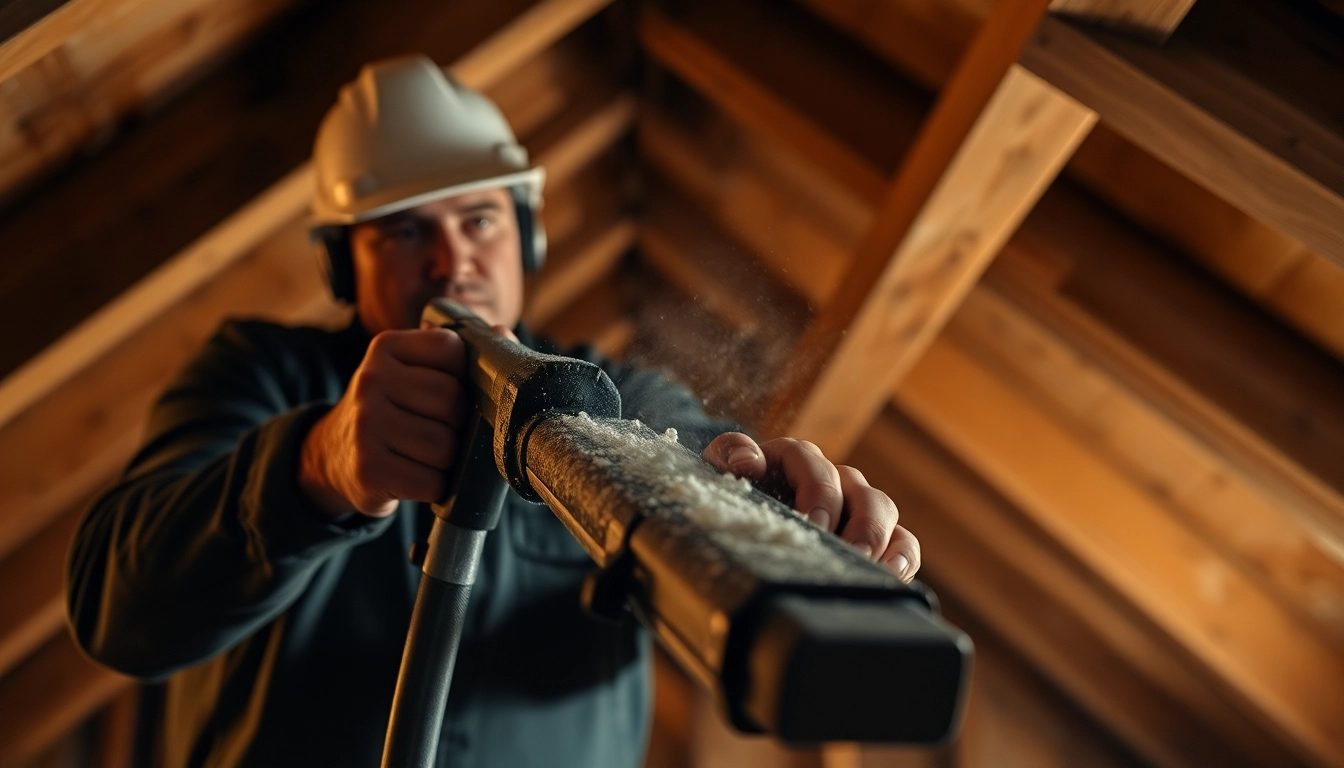
Successful spray foam removal requires specific tools and equipment to ensure safety and effectiveness. Essential items include:
- Protective Gear: This includes gloves, goggles, and respiratory masks to safeguard against exposure to chemicals.
- Utility Knife: For cutting away the foam, a sharp utility knife will be critical.
- Scrapers: Different types of scrapers can help peel away stubborn sections of foam.
- Vacuum: A heavy-duty vacuum will be useful for cleaning up after removal.
- Disposal Bags: Ensure that you have appropriate bags for safely disposing of removed materials.
Step-by-Step Removal Guide
The process of removing spray foam insulation consists of several critical steps:
- Inspection: Begin by performing a thorough inspection of the area to identify the extent of the foam and any underlying problems.
- Preparation: Clear the area of any obstacles and gather all necessary tools and protective gear.
- Cutting: Use a utility knife to cut through the foam, removing it in manageable sections.
- Scraping: For any remaining residue, use scrapers to ensure that all foam is eliminated.
- Clean-Up: Use a vacuum to capture any debris and ensure that the area is clean before proceeding with repairs or new insulation installation.
Safety Precautions to Follow
When undertaking spray foam removal, adhering to safety precautions is crucial:
- Always wear protective gear to avoid chemical exposure.
- Ensure proper ventilation in the workspace to prevent inhalation of toxins.
- Be cautious of any structural components that may be damaged during removal.
- Dispose of removed foam according to local regulations to minimize environmental impact.
Costs and Considerations in Spray Foam Removal
Budgeting for Removal Services
The cost of spray foam removal can vary significantly based on several factors, including the extent of insulation, the type of spray foam used, and geographical location. On average, homeowners might expect to pay between £1,500 and £3,000 for professional removal services. It’s essential to budget accordingly and seek multiple quotes to ensure a fair price.
DIY vs. Hiring Professionals
Deciding whether to undertake spray foam removal as a DIY project or hire professionals can be challenging. While DIY may seem cost-effective, consider the potential risks associated with improper removal and the dangers of chemical exposure. Hiring trained professionals ensures not only safety but also adherence to regulatory standards. Assess your own skills, safety considerations, and the complexity of the project before making a final decision.
Long-Term Financial Implications
Long-term financial implications must also be considered. While the immediate costs for removal may be high, effective insulation removal and replacement can lead to savings on energy bills and increased property value. Additionally, addressing insulation issues can prevent potential health costs associated with poor indoor air quality. Therefore, while upfront costs may be a concern, the long-term financial benefits likely outweigh them.
Frequently Asked Questions About Spray Foam Removal
What is spray foam insulation removal’s impact on mortgages?
Spray foam insulation removal can positively impact mortgages by ensuring compliance with safety and health regulations, allowing smoother transactions and approvals.
How can I identify if my spray foam needs removal?
Signs include discolouration, foul odours, mould growth, and visible damage to the insulation material.
What are the costs associated with spray foam removal?
Costs can range from £1,500 to £3,000, depending on the size of the area, type of spray foam, and other factors.
Is it safe to remove spray foam insulation myself?
While possible, DIY removal poses risks due to chemical exposure and improper methods. Professional removal is often safer and more effective.
How long does the spray foam removal process take?
The duration varies by project size, but typically it can take anywhere from a few hours to a couple of days for completion.