Understanding the Image to Prompt Generator
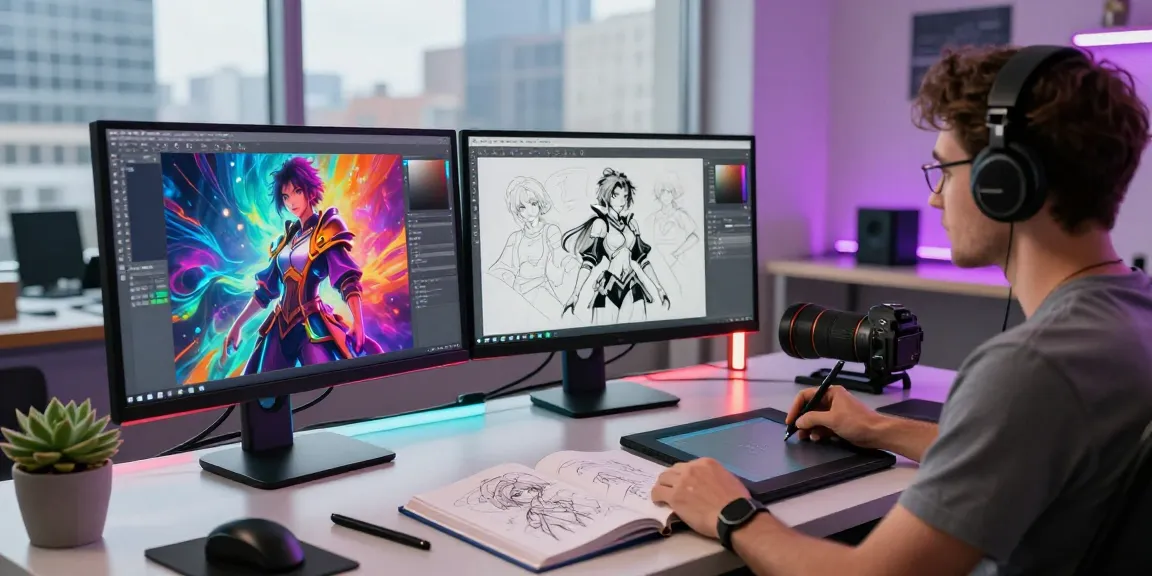
In the rapidly evolving world of digital art and artificial intelligence, the image to prompt generator stands out as a transformative tool for artists and designers alike. This innovative technology simplifies the creative process by converting visual imagery into detailed text prompts that can be used in various AI art generators. As AI continues to permeate creative industries, understanding how these tools operate and their significance in artistic workflows is critical for anyone looking to stay ahead of the curve.
What is an Image to Prompt Generator?
An image to prompt generator is an AI-driven tool designed to interpret visual elements within an image and convert them into a structured text description, or prompt. This prompt can be utilized across different AI models, such as Midjourney, Stable Diffusion, and Flux, enabling users to replicate or creatively expand upon the original image. By analyzing factors such as subject matter, composition, color palette, lighting, and mood, these generators create descriptive, actionable text that can guide AI art creation.
How Does It Work?
The process of transforming an image into a text prompt involves several sophisticated steps:
- Image Upload: Users begin by uploading their reference image, which can be in formats like JPEG, PNG, or WEBP.
- Analysis: The generator’s AI algorithm analyzes the uploaded image pixel by pixel, identifying key visual elements and patterns.
- Prompt Generation: Based on the analysis, the tool constructs a detailed prompt tailored for specific AI models. This includes optimizing the language and structure to align with the chosen model’s requirements.
This seamless integration of technology allows artists to focus more on creativity rather than the complexities of prompt crafting, making it an invaluable asset in modern art practices.
Importance for Digital Artists and Designers
For digital artists and designers, the ability to efficiently generate prompts from images can significantly enhance their workflow. Rather than spending excessive time crafting prompts or struggling to capture the essence of a visual in words, artists can rely on the image to prompt generator to provide precise, model-specific instructions. This not only saves time but also encourages experimentation and exploration of different artistic styles by simplifying the process of visual inspiration transfer.
Benefits of Using an Image to Prompt Generator
Enhancing Creative Workflow
The primary advantage of using an image to prompt generator lies in its ability to enhance creative workflows. By instantly converting images into prompts, artists can maintain their creative momentum without interruption. This efficiency allows for rapid iteration on ideas and concepts, ensuring that inspiration is transformed into reality quickly. Moreover, the generator can help artists break through creative blocks by providing unexpected keywords and associations that spark new ideas.
Model-Specific Prompt Optimizations
Different AI art models have unique requirements regarding prompt structure and language. For instance, while Midjourney favors a more poetic and stylistic approach, Stable Diffusion thrives on precision and technical terms. An effective image to prompt generator tailors its outputs according to these nuances, ensuring that users obtain optimal results specific to their chosen platform. This customization is pivotal in maximizing the utility of AI tools, allowing artists to push boundaries in their creative endeavors.
Time Efficiency in Generating Prompts
Time is of the essence in today’s fast-paced creative environments. The image to prompt generator dramatically reduces the time spent on crafting prompts. Artists no longer need to second-guess their phrasing or keyword selection, as the generator produces high-quality prompts within seconds. This efficiency enables them to invest more time in refining their art and less in preparatory tasks, paving the way for more innovative and imaginative projects.
How to Use the Image to Prompt Generator Effectively
Step-by-Step Guide to Converting Images
Utilizing an image to prompt generator is straightforward. Follow these simple steps to ensure an efficient and effective experience:
- Upload Your Image: Drag and drop your reference image onto the platform, or click to browse your files. Ensure it is in an acceptable format (PNG, JPG, or WEBP).
- Select the AI Model: Choose the appropriate model for your needs—be it Nano Banana for creative experimentation, Midjourney for artistic flair, or Stable Diffusion for technical accuracy.
- Generate the Prompt: Click the generate button and receive your text prompt. Review and refine it as needed to best suit your artwork.
By following these steps, you can effortlessly convert any image into a prompt tailored for high-quality AI art generation.
Choosing the Right AI Model
Selecting the right AI model is crucial for achieving the desired results in your AI-generated artwork. Each model has distinct characteristics and excels in different creative contexts:
- Midjourney: Best for vibrant and abstract art styles, focusing on artistic interpretation.
- Stable Diffusion: Ideal for detailed and realistic images, where technical accuracy is paramount.
- Flux: Suited for dynamic and evolving art, focusing on concise and impactful prompts.
Understanding your project’s goals and the strengths of each model will help you select the most suitable option for your creative process.
Fine-tuning Prompt Outputs for Best Results
Even with a robust image to prompt generator, fine-tuning the outputs can further enhance your results. Consider the following strategies:
- Adjust Key Descriptors: Modify certain adjectives or phrases to better align with your artistic vision.
- Add Contextual Elements: Include additional information about mood, setting, or narrative to enrich the prompt.
- Test Variations: Experiment with different images and prompts to discover unique styles and outputs.
By engaging in this iterative process, you can maximize the potential of your AI-generated art, achieving increasingly sophisticated results.
Common Questions About Image to Prompt Generators
Can I Use Old Images or Sketches?
Absolutely! Many image to prompt generators are capable of analyzing old photographs and sketches, providing prompts that reflect the essence of these visuals. This feature is particularly beneficial for artists seeking to revive classic styles or incorporate nostalgia into their contemporary work. Users should ensure the images are clear and identifiable for the best prompt generation results.
Privacy Concerns When Uploading Images
Privacy is a top priority for most users when utilizing online tools. Reputable image to prompt generators implement robust privacy measures, ensuring that uploaded images are processed securely and discarded immediately after analysis. Users should always check the privacy policy to confirm how their data is managed and that no datasets are created from their uploads.
Accuracy of Generated Prompts
The accuracy of prompts generated by an image to prompt generator largely depends on the quality and clarity of the uploaded image. High-resolution images with distinct visual elements yield more precise and descriptive prompts. Additionally, advanced AI algorithms continuously improve, increasing the generator’s ability to capture nuanced details and context from various types of imagery.
Future Trends in AI Art Generation and Prompt Tools
Advancements in AI Image Processing
As technology evolves, the capabilities of AI in image processing will only expand. Future generations of image to prompt generators are likely to integrate more sophisticated machine learning algorithms, enabling them to analyze complex images with greater accuracy and nuance. This advancement will allow artists to create prompts that are not only descriptive but also deeply contextual, aligning more closely with their creative intentions.
Emerging Tools and Features to Watch
In addition to improved processing capabilities, we can expect to see new tools and features emerge in the field of AI art generation. These may include:
- Cross-Platform Compatibility: Generators that seamlessly adapt prompts for multiple models, improving flexibility for artists.
- Real-Time Collaboration: Features that allow multiple users to co-create by sharing prompts and images instantly.
- Enhanced Customization Options: Tools that enable more personalized adjustments to prompt outputs based on user preferences and styles.
Staying informed about these advancements will be critical for artists aiming to leverage the full potential of AI in their work.
Predictions for 2026 and Beyond
Looking ahead to 2026, we can anticipate a significant shift in how artists interact with AI tools. As AI becomes more integrated into the creative process, image to prompt generators will likely evolve into multifaceted platforms that offer greater interactivity, learning capabilities, and customization. Artists will find themselves not only using these tools to generate prompts but also engaging in a dialogue with AI that shapes their artistic vision and direction.
How Users Can Benefit from Ongoing Developments?
With ongoing developments in AI technology, users of image to prompt generators will benefit from increased efficacy, enhanced outputs, and a more intuitive user experience. As tools become more accessible and user-friendly, artists and designers of all skill levels can explore AI-generated art without the barrier of technical expertise. Additionally, collaborative features will foster a more vibrant creative community, encouraging knowledge sharing and experimentation.
Can I Use the Image to Prompt Generator for Free?
Many image to prompt generators offer free tiers, allowing users to access basic functionalities without any financial commitment. However, premium features may be available for a fee, enhancing the overall capability of the generator. Users should evaluate their individual needs and explore various options to find a tool that balances quality and cost-effectiveness.