
Understanding Petanque: History and Significance
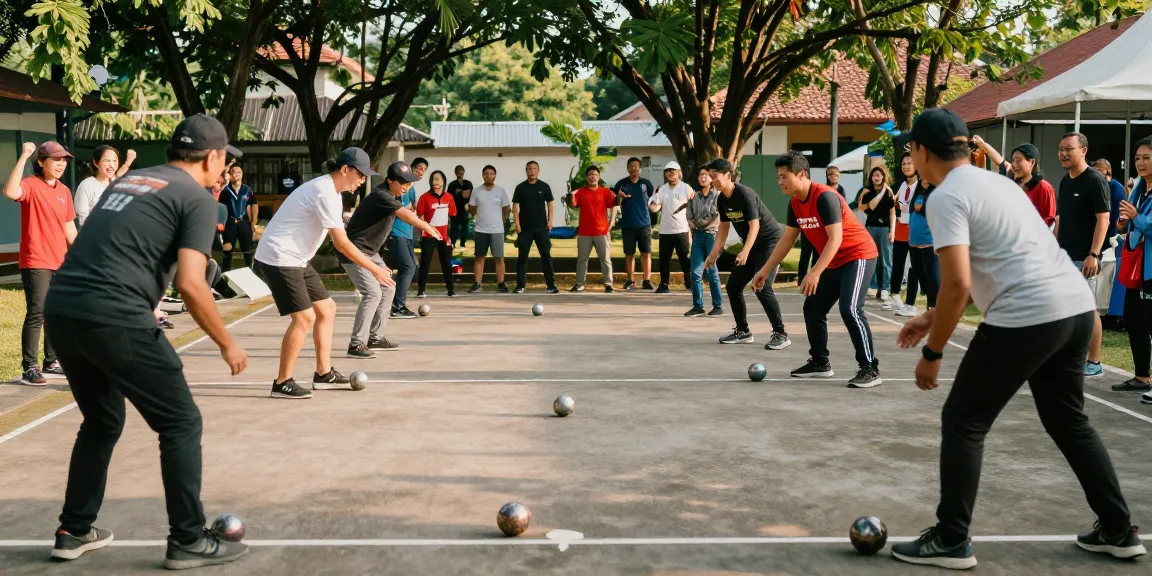
Petanque is a fascinating sport that combines precision with a friendly competitive spirit, echoing the essence of its French origins. As one of the popular outdoor games, it engages players of all ages and backgrounds, fostering social interactions and community spirit. In Indonesia, specifically within the vibrant milieu of Kota Bitung, petanque has emerged as more than just a pastime; it has become an essential part of local sports culture. The formation of the Federasi Olahraga Petanque Indonesia (FOPI) in 2011 marked a pivotal moment for the sport, as it began to gain official recognition and structure. For those interested in exploring more about petanque in Kota Bitung, fopikotabitung.org offers comprehensive insights into the sport’s activities and community engagement.
Origins of Petanque in Indonesia
The history of petanque in Indonesia is quite intriguing yet somewhat elusive. Although the exact time of its introduction remains unclear, the sport made its way into the country mainly through French expatriates in the late 20th century. Cities such as Jakarta, Lombok, Yogyakarta, and Bali served as key locations where local enthusiasts witnessed the game’s allure. Initially played mainly among expatriates, petanque began to find a wider audience as more facilities dedicated to the sport were established, often associated with French-managed hotels and international consulates.
For example, hotels like Novotel in Kuta and Lombok, along with Hotel Horizon Ancol, became central hubs where the game flourished. This integration into social settings contributed significantly to the sport’s local ambiance, creating a laid-back yet competitive environment that appealed to both tourists and locals alike.
FOPI Kota Bitung’s Role in Development
FOPI Kota Bitung plays a crucial role in promoting and developing petanque across the region. As the official body responsible for the coordination and management of petanque activities, it operates under the auspices of FOPI Provinsi Sulawesi Utara and is affiliated with KONI Kota Bitung. This affiliation not only lends credibility but also provides a structured approach to nurturing local talent and organizing competitions.
The organization’s efforts led to greater visibility for petanque in the community, particularly after the 26th SEA Games in 2011, where Indonesia hosted the sport as a compulsory event. This occasion marked a significant turning point, as the event catalyzed further investments and interest in petanque, leading to the establishment of local competitions and training programs aimed at developing future athletes.
Impact of Petanque on Local Communities
The impact of petanque on local communities in Kota Bitung is profound. As a social sport, it fosters interaction among diverse demographic groups, breaking down barriers and creating bonds. Regular tournaments and local matches serve not only as competitive events but also as gatherings that strengthen community ties. These events attract participants of all ages, encouraging families to engage in healthy competition while promoting an active lifestyle.
Moreover, petanque has been instrumental in bolstering local economies by drawing spectators and participants from surrounding areas, resulting in increased patronage of local businesses and establishments. This community-centric approach has further inspired initiatives to introduce the sport in schools and among youth groups, ensuring its sustainability and growth.
Setting Up Petanque Courts: A Comprehensive Guide
Establishing a petanque court is an exciting endeavor that allows communities to engage in the sport actively. A well-designed court can provide a dedicated space where enthusiasts can gather to play, practice, and compete. By understanding the key elements involved in setting up a petanque court, you can create an environment that fosters participation and enjoyment.
Choosing the Right Location
When selecting a location for a petanque court, consider accessibility, visibility, and space requirements. An ideal spot should be easily reachable for players and spectators alike. Parks or public open spaces are often suitable as they provide enough area to accommodate multiple courts. Additionally, choosing a location that attracts foot traffic can enhance community engagement and interest in the sport.
Required Materials and Equipment
Setting up a petanque court requires specific materials that ensure the playing surface is optimal. The primary components include:
- Ground Material: A mix of gravel or crushed stone is recommended for a firm yet smooth playing surface. It should be packed down well to prevent uneven play.
- Boundary Markers: Use durable materials to mark the edges of the court, typically using wooden planks or metal rods to outline the designated playing area.
- Playing Balls: Each player typically needs three boules, made of metal, to play the game effectively.
Designing the Court Layout Efficiently
The standard dimensions for a petanque court are typically 15 meters in length and 4 meters in width, though this can vary based on available space. The layout can be adjusted to accommodate more courts within a community setting. It is essential to ensure that there are adequate distances between courts to avoid interference during play. Proper signage and rules detailing how to use the courts can also improve the overall experience for newcomers and seasoned players alike.
Organizing Successful Petanque Events
Organizing events is a vital aspect of fostering a thriving petanque community. Successful tournaments not only showcase talent but also promote the sport within the local area. Here are strategies to consider when planning your next petanque event.
Planning Tournaments and Competitions
Begin by setting clear objectives for the tournament, such as promoting community involvement or attracting regional attention. Collaborate with local sports organizations to gain support and resources. Ensure that you provide various categories for participation, considering different skill levels and age groups to maximize engagement.
Establishing guidelines and a schedule in advance will help keep the event organized. Be sure to communicate these details effectively to all participants, allowing them ample time to prepare.
Promoting Events through Community Outreach
Utilizing social media platforms, community boards, and local news outlets can effectively promote upcoming events. Create engaging content that highlights the excitement of petanque, along with participant testimonials or videos from previous tournaments. The more visibility the event gains, the more interest it will generate, creating a buzz around petanque in the community.
Engaging Local Sponsors and Partners
Partnering with local businesses can provide necessary resources and support for your event. Approach potential sponsors with a clear proposal outlining the benefits of their involvement, such as increased visibility and community goodwill. Consider offering advertising opportunities in exchange for support, whether through branded banners or inclusion in event materials.
Building a Strong Community Around Petanque
Creating a vibrant petanque community involves encouraging widespread participation and fostering a supportive environment. Here’s how to build a robust network of petanque enthusiasts.
Encouraging Participation Among Diverse Groups
To cultivate interest in petanque, implement outreach programs targeting various demographics, including youth groups, senior citizens, and families. Hosting introductory workshops can provide newcomers with a chance to experience the sport firsthand, breaking down intimidation barriers associated with competitive play.
Additionally, facilitating community events that highlight local gastronomy and culture alongside petanque matches can create an inclusive atmosphere that welcomes everyone.
Creating Training Programs for Aspiring Players
Establish training sessions led by experienced players or coaches who can mentor new participants. These programs should cover fundamental skills, strategies, and the nuances of petanque gameplay. Not only does this prepare players for competition, but it also elevates the overall standard of play within the community.
Fostering Team Spirit and Friendly Rivalries
Encouraging friendly competitions among local clubs can stimulate excitement and camaraderie. Organize league matches where teams can challenge each other on a regular basis, highlighting achievements and rewarding commitment. Recognizing players’ efforts fosters loyalty and enthusiasm that can translate into greater participation.
Future of Petanque in Indonesia: Trends to Watch in 2026
The future of petanque in Indonesia appears promising, with emerging trends poised to impact the way the sport is played and perceived. From technological advancements to increased international influence, several factors will shape the landscape of petanque in the coming years.
Emerging Technologies in Sports Engagement
As technology continues to evolve, its integration into sports is becoming increasingly prominent. For petanque, innovations such as video analysis and augmented reality can enhance training methods and improve player performance. This trend will likely attract a younger audience interested in tech-driven sports engagement.
Expanding Influence of International Petanque
The global petanque community is growing, with international competitions and collaborations becoming more common. Indonesian players can benefit from exposure to diverse playing styles and techniques, enhancing their skills and competitiveness on the world stage.
Envisioning Growth for FOPI and Local Clubs
Looking ahead, FOPI and local clubs will need to adapt their strategies to foster talent and keep pace with evolving trends. Investment in youth programs and collaborations with educational institutions can ensure a steady influx of new players, safeguarding the sport’s future. By prioritizing diversity and accessibility, petanque in Indonesia can continue to flourish, fostering a sense of community and friendly competition.
What is petanque and how is it played?
Petanque is a precision sport where players aim to throw metal balls as close as possible to a target ball, known as the cochonnet. The game can be played individually or in teams, emphasizing skill and strategy.
How can I organize a petanque event in my community?
Start by determining the objectives of your event, choose a suitable date and location, and promote it effectively through social media and local channels to attract participants.
What equipment do I need to start playing petanque?
To play petanque, you will need at least three boules, a cochonnet, and a designated playing area. Additionally, consider acquiring measuring tapes for determining distances during competitive play.
How does FOPI support local petanque initiatives?
FOPI provides resources such as training programs, organizational support for tournaments, and networking opportunities for clubs and players to enhance their skills and participation in the sport.
What are the health benefits of playing petanque?
Playing petanque offers various health benefits, including improved physical fitness, enhanced coordination, and mental sharpness. It also promotes social interaction, reducing stress and fostering a sense of community.